Our roots, from la-la to the Legacy Stage
Zydeco History
This music runs in the family
Zydeco is the sound of Louisiana Creole life: an accordion, a rubboard, a dance floor, and a hundred years of families passing songs down. NOLA Zydeco Fest was started by the great-granddaughters of one of its legends.
Roots
La-la on the prairie
Zydeco grew up among the French-speaking Creoles of color of Southwest Louisiana. Long before it had a name, families gathered for house dances, called la-la, where an accordion, a fiddle, and a washboard kept the room moving until morning.
The songs were sung in Louisiana French, and the rhythm came from everywhere Creole Louisiana came from: French, African, and Caribbean traditions meeting on the same farm roads.
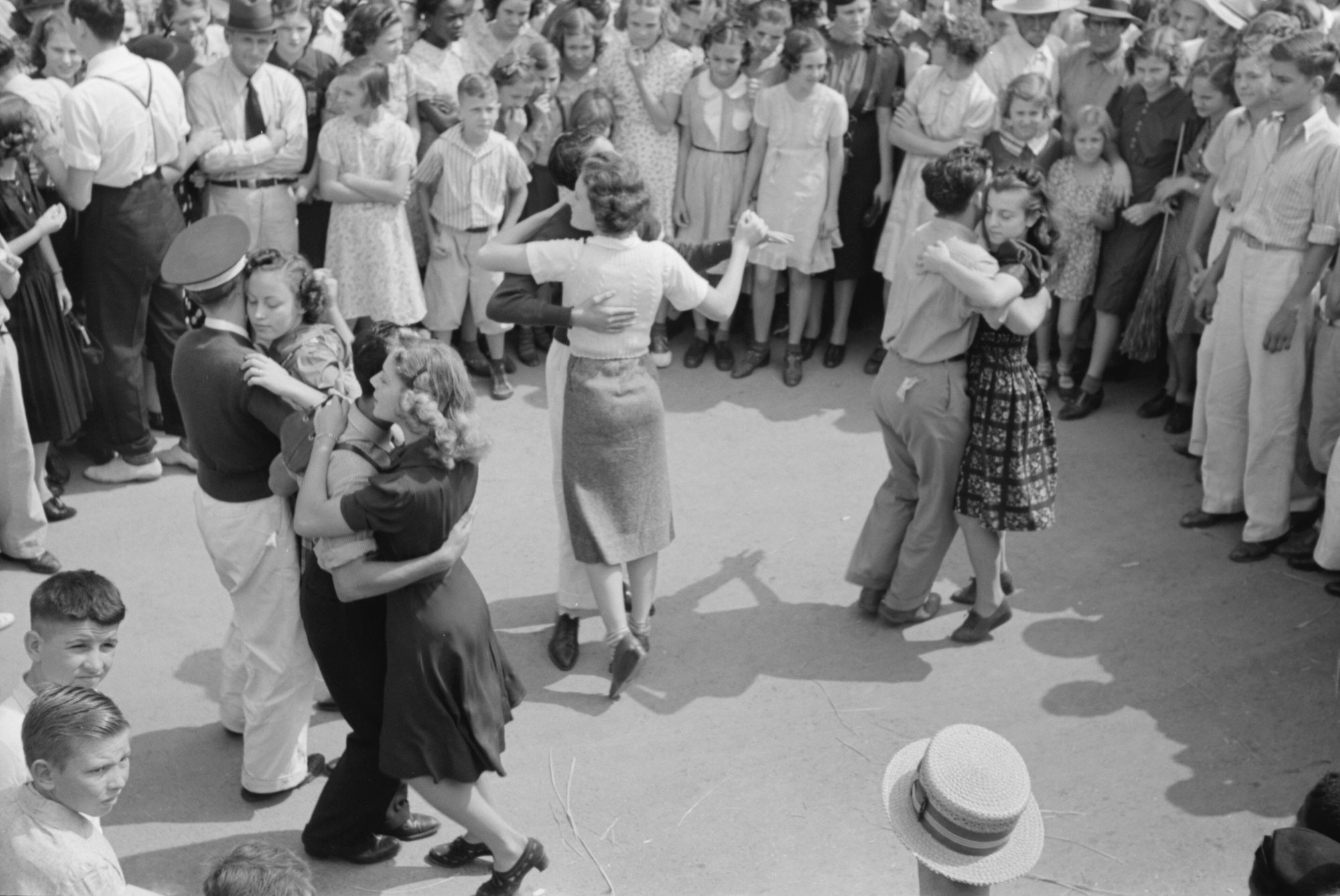
Street dancing at the National Rice Festival, Crowley, Louisiana, 1938. Dance was the heart of South Louisiana's French-speaking communities.Photo: Russell Lee, Farm Security Administration / Library of Congress · Public domain, via Wikimedia Commons 1929
Amédé Ardoin makes the first records
Creole accordionist Amédé Ardoin, a cousin of Alphonse “Bois Sec” Ardoin, first recorded in 1929 with Cajun fiddler Dennis McGee. Those sessions are among the earliest recordings of Louisiana French music.
His high, crying voice and driving accordion became a foundation for both Creole and Cajun music, and his songs are still played on festival stages today.
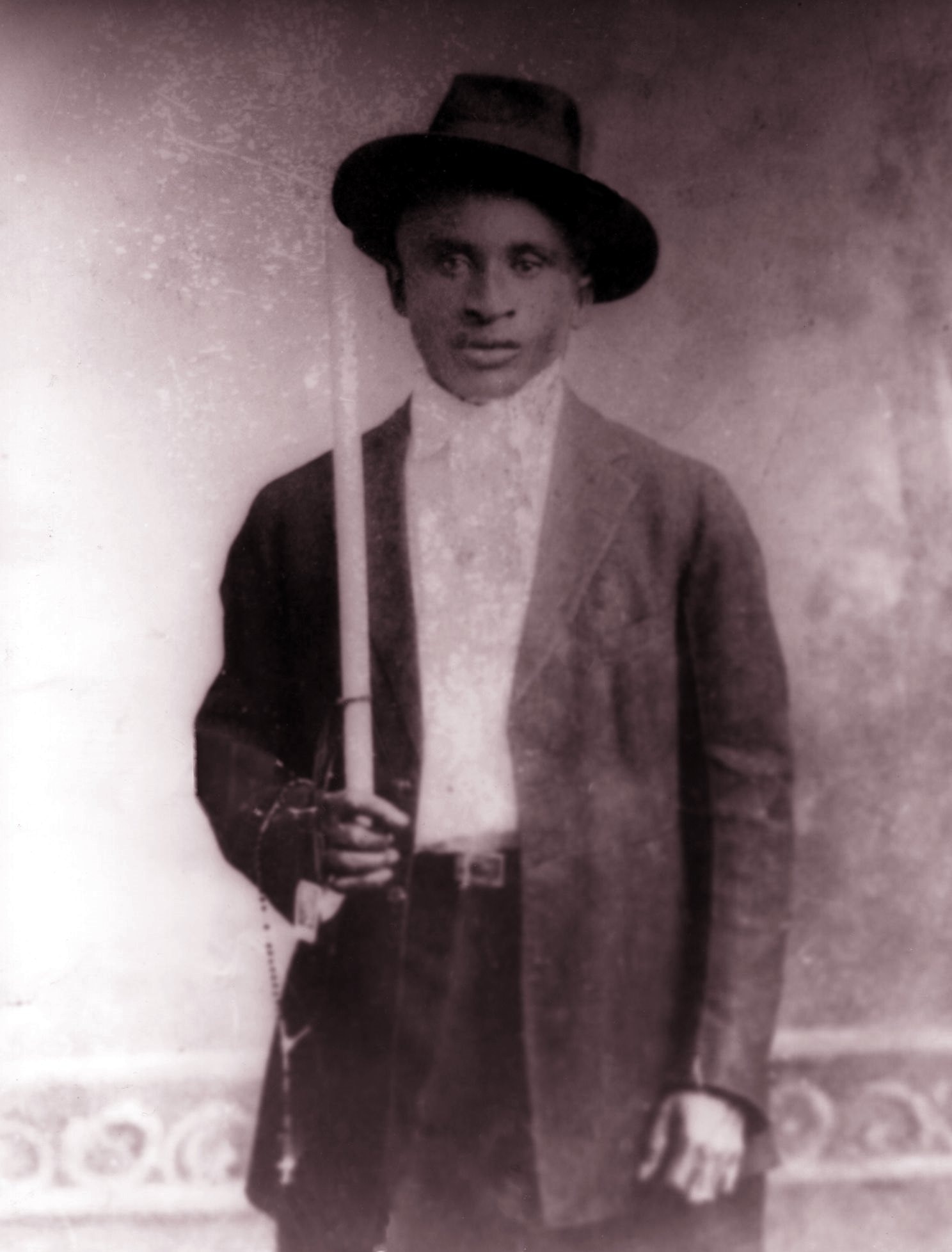
Amédé Ardoin, the Creole accordionist whose records helped define Louisiana French music.Photo: Unknown photographer · Public domain, via Wikimedia Commons 1950s
Clifton Chenier turns it up
Clifton Chenier took the old la-la sound, added a piano accordion, blues, and rhythm and blues, and built the modern Zydeco band. He became known as the King of Zydeco.
His brother Cleveland played the rubboard, or frottoir: a corrugated metal vest Clifton designed and metalworker Willie Landry built in 1946, now the signature instrument of every Zydeco band. The name itself is usually traced to the old song line “les haricots sont pas salés,” the snap beans aren’t salty.
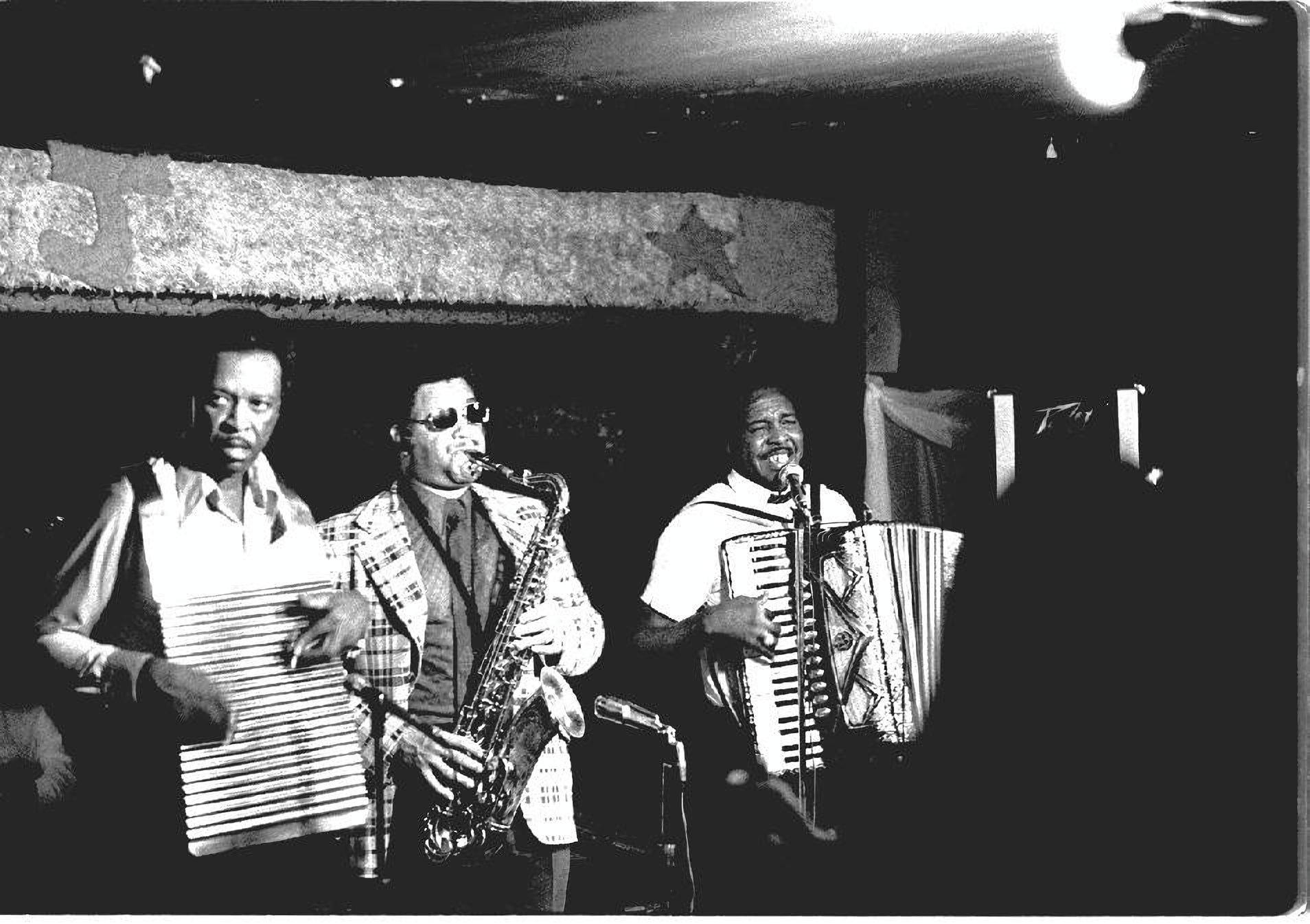
Clifton Chenier on accordion, Cleveland Chenier on rubboard, and John Hart on saxophone. Cankton, Louisiana, 1975.Photo: Bozotexino · CC BY 3.0, via Wikimedia Commons 1984
Zydeco on the world stage
In 1984 Clifton Chenier won a Grammy Award, and Zydeco was heard from Paris to Los Angeles. The music that started in farmhouse kitchens was now touring the world.
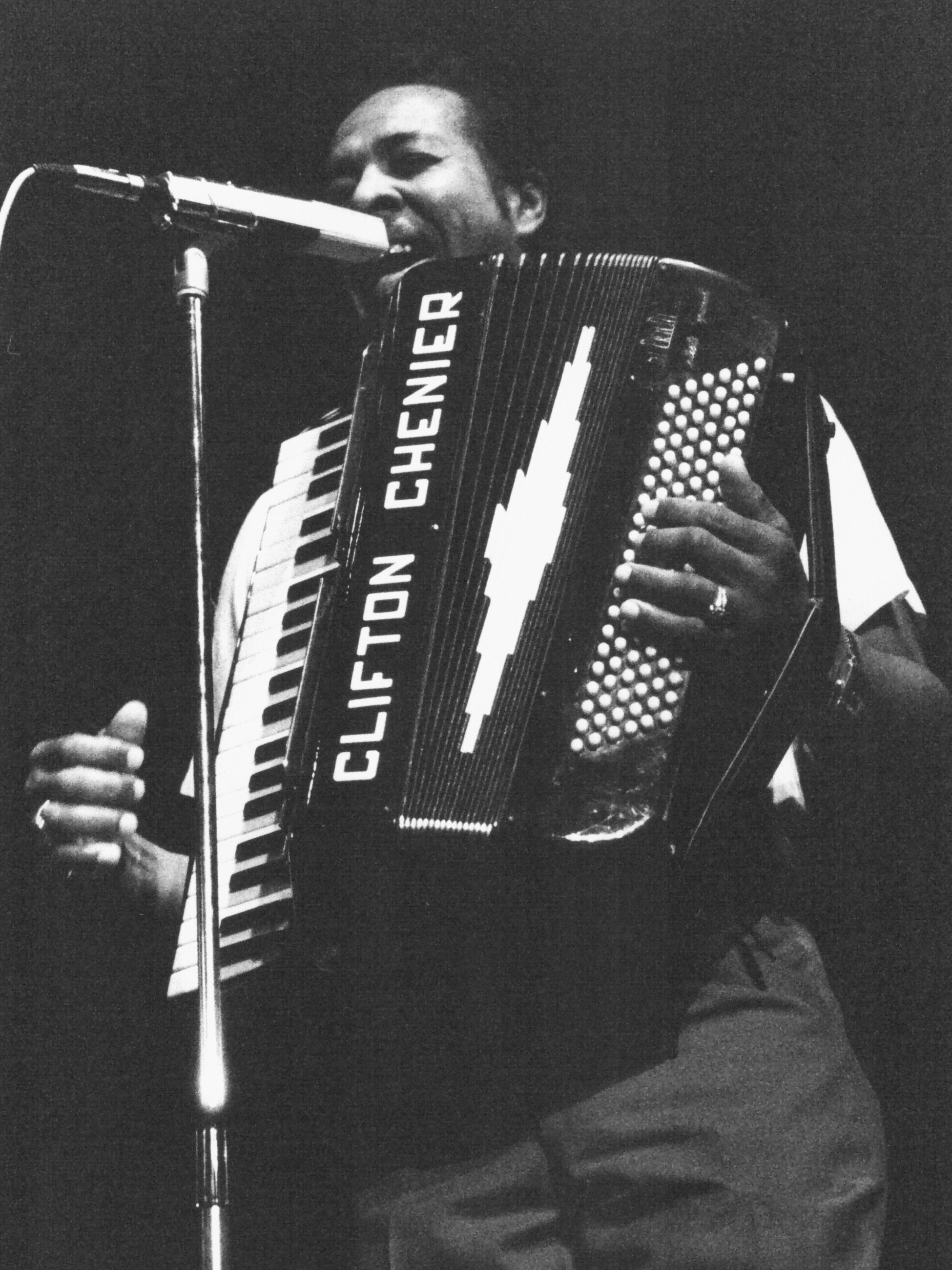
Clifton Chenier in concert in Paris, December 1977.Photo: Lionel Decoster · CC BY-SA 4.0, via Wikimedia Commons 1986
Bois Sec Ardoin and Canray Fontenot
Accordionist Alphonse “Bois Sec” Ardoin and fiddler Canray Fontenot played the old Creole French music together for decades. In 1986 both were named National Heritage Fellows by the National Endowment for the Arts, the country’s highest honor in the folk and traditional arts.
Bois Sec passed the music to his sons and grandsons, and the Ardoin family has been making Zydeco ever since.
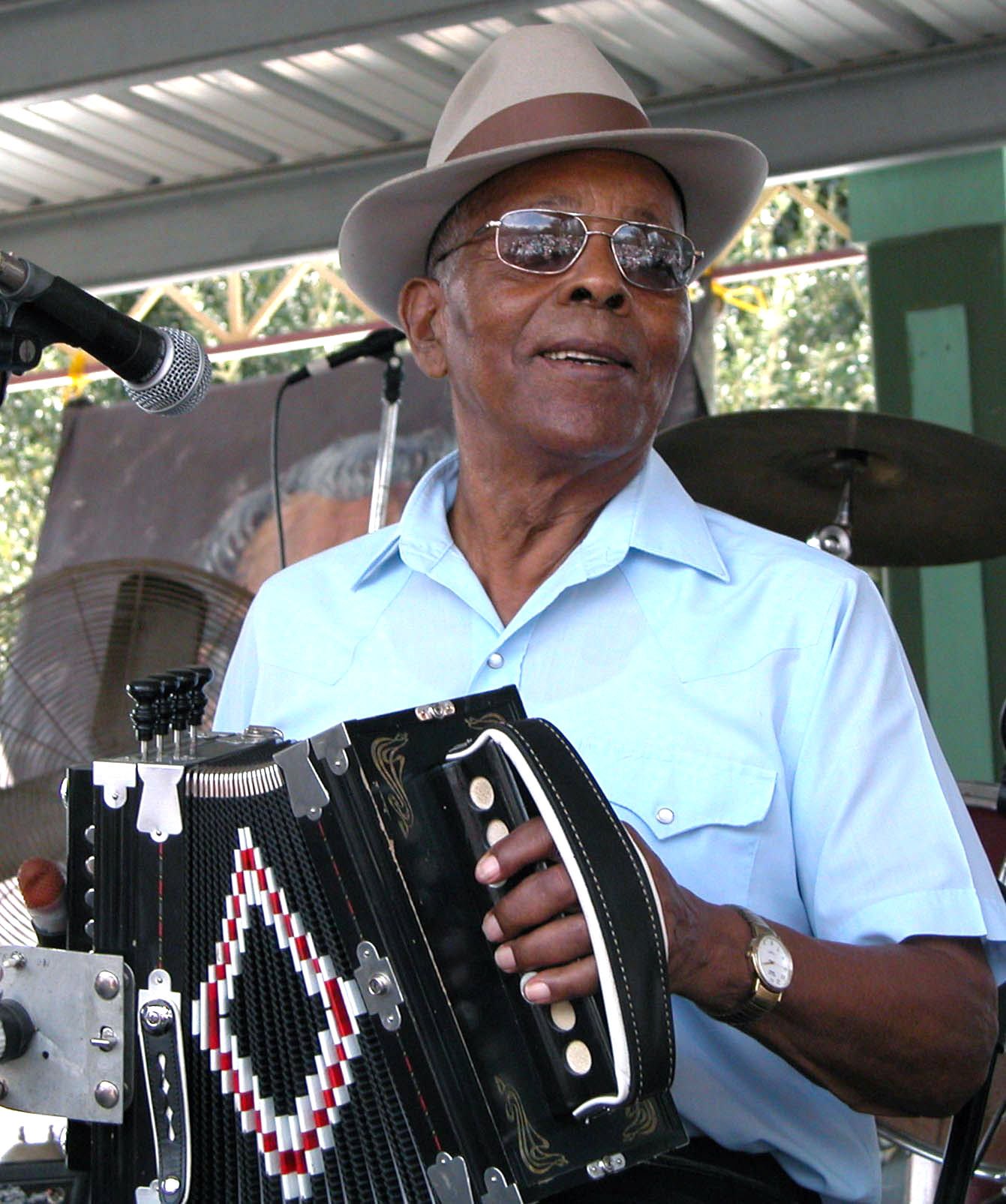
Alphonse “Bois Sec” Ardoin on stage in 2002.Photo: David Simpson · CC BY-SA 2.0, via Wikimedia Commons 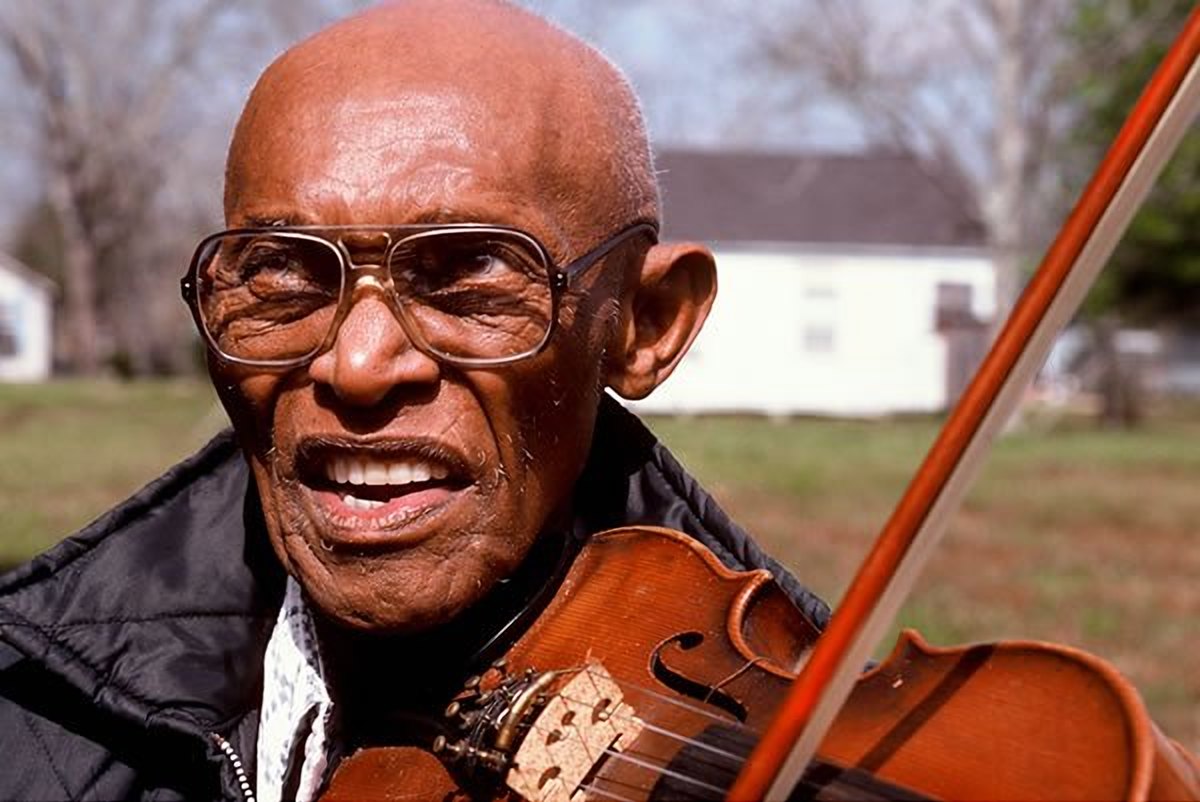
Canray Fontenot, 1986.Photo: Tom Pich, National Endowment for the Arts · Public domain, via Wikimedia Commons 1990s
The dance-floor era
Boozoo Chavis, who cut one of the first Zydeco hits in the 1950s, and Beau Jocque packed dance halls and trail-ride weekends across Louisiana and Texas. Their heavy, danceable groove brought a new generation to the floor.
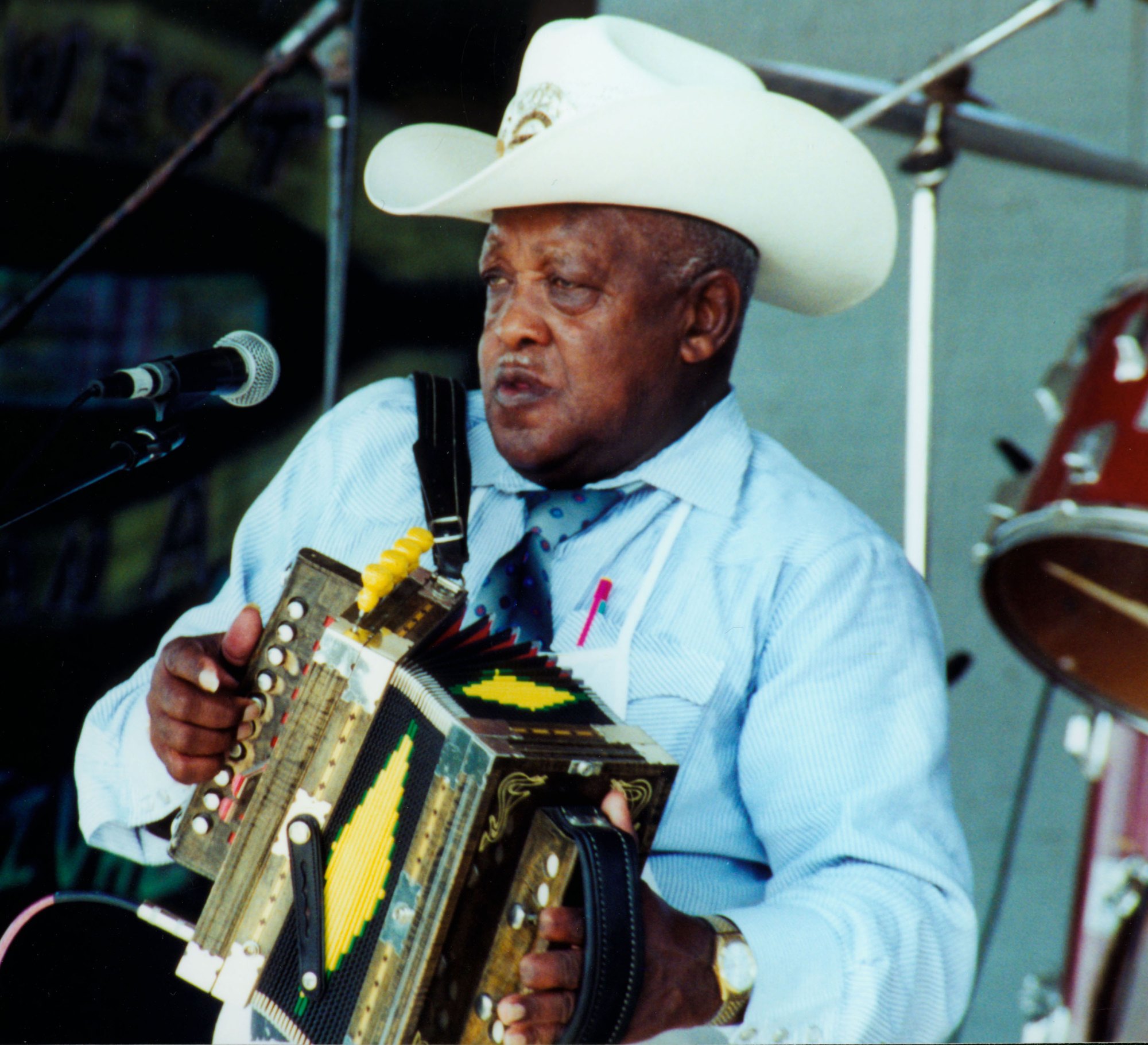
Boozoo Chavis at the Original Southwest Zydeco Festival in Plaisance, Louisiana, 2000.Photo: David Simpson · CC BY-SA 2.0, via Wikimedia Commons 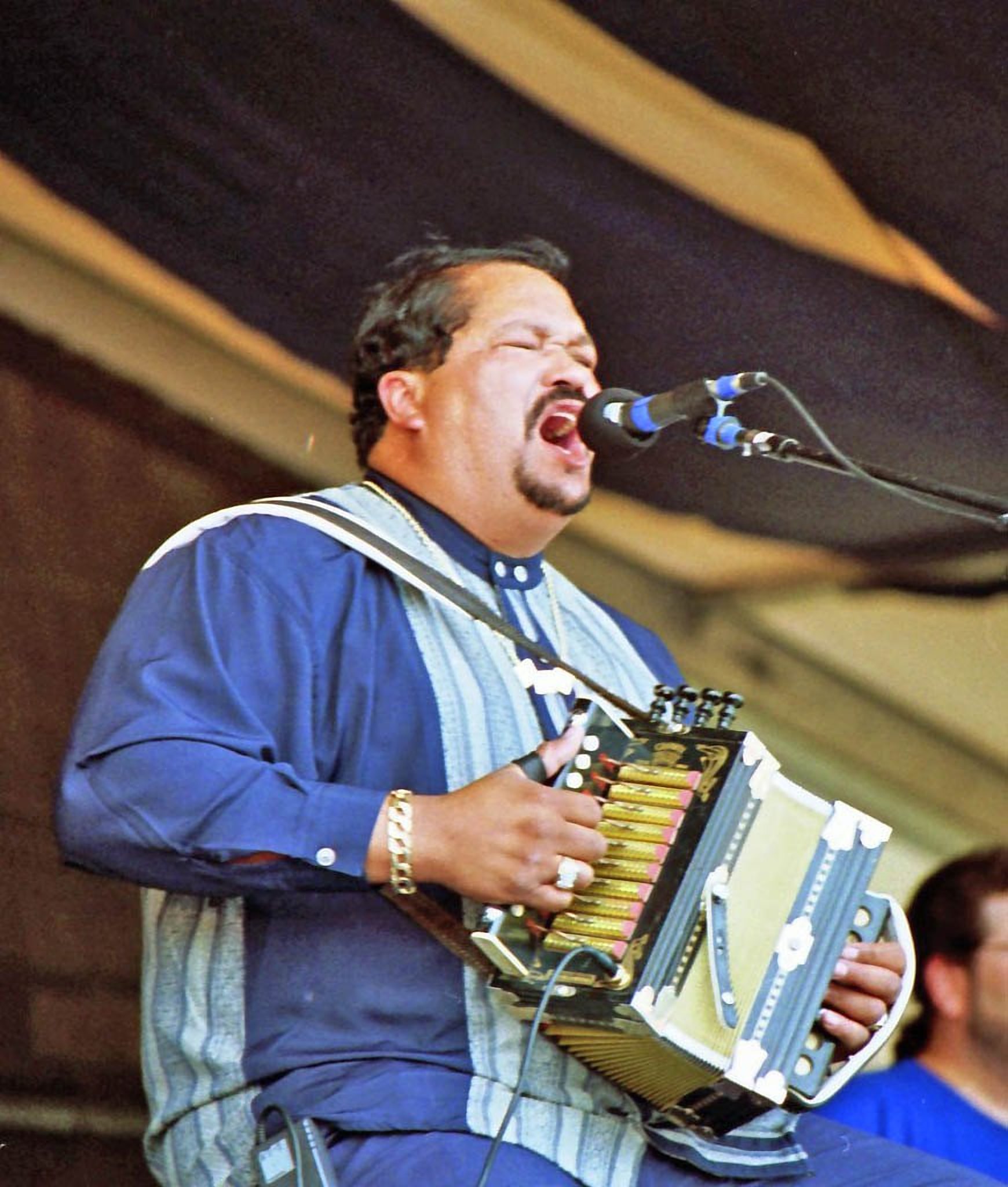
Beau Jocque at the New Orleans Jazz & Heritage Festival, 1997.Photo: Masahiro Sumori · CC BY-SA 3.0, via Wikimedia Commons
2021
A family legacy, on the bayou
Cousins Gabrielle Deculus and Courtney Smith, great-granddaughters of Alphonse “Bois Sec” Ardoin, started NOLA Zydeco Fest in 2021 to honor him and to bring the Creole music of Southwest Louisiana to the Southeast. The main stage carries his name.
In 2026 the festival celebrates its sixth year at Heritage Park in Slidell, with a Creole Music Jam that hands the old songs to the next generation of players.
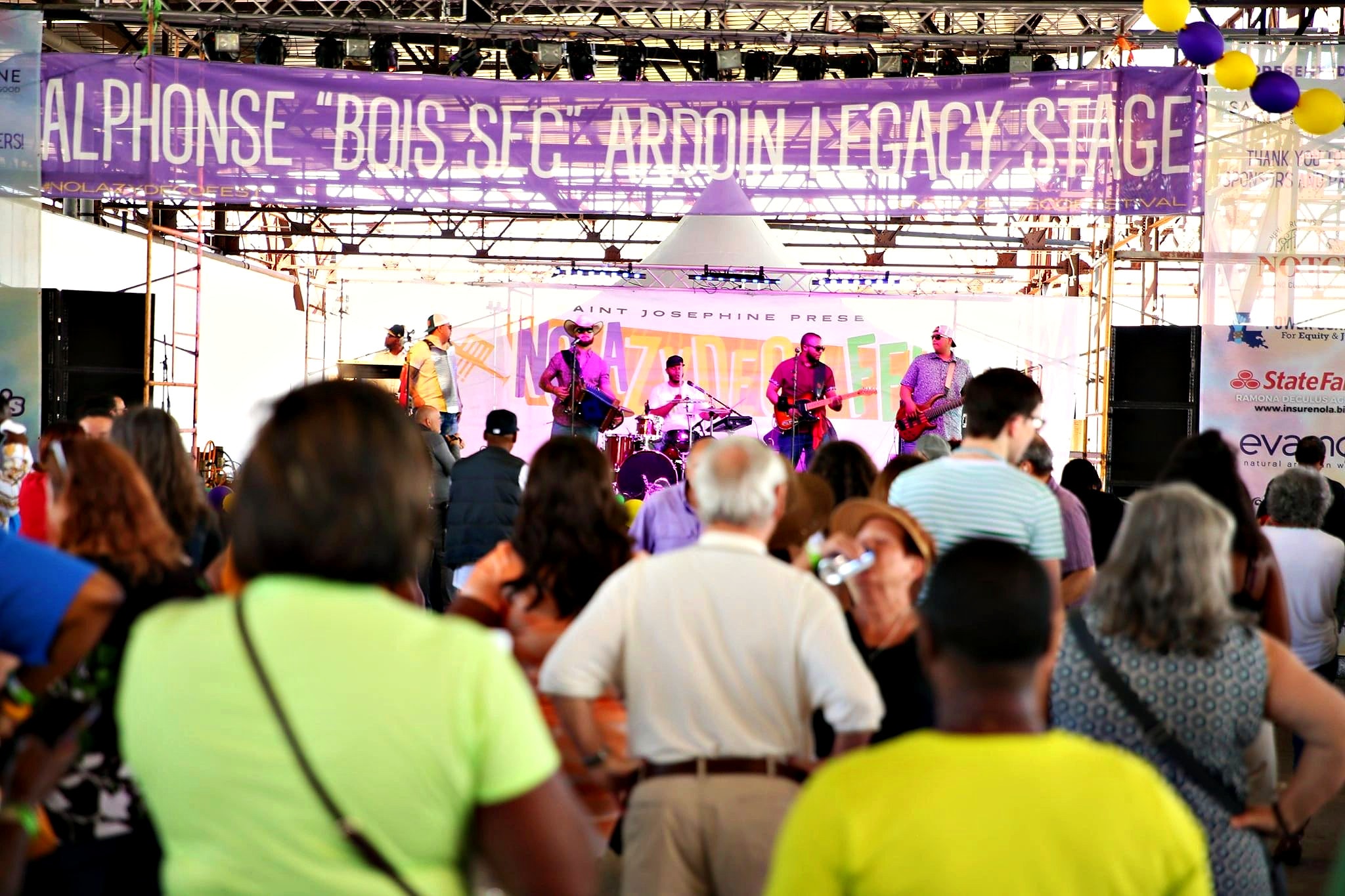
The Alphonse “Bois Sec” Ardoin Legacy Stage
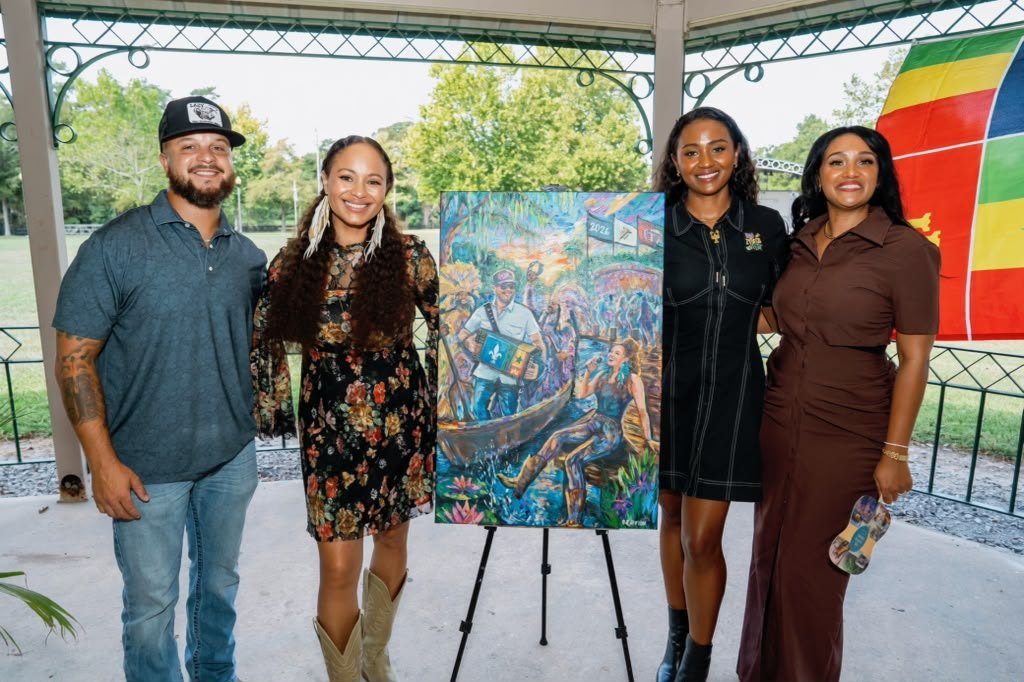
Unveiling the 2026 poster, “Fête on the Bonfouca”
Speak Zydeco
A few words before you go.
- La-la
- The Creole house-dance music that came before Zydeco, and the dances themselves.
- Frottoir
- The rubboard: a corrugated metal vest played with spoons or bottle openers.
- Accordion
- Single-row diatonic for the old sound; piano accordion for Chenier-style blues.
- Trail ride
- Weekend horseback rides between Creole communities, with Zydeco waiting at the end.